A garden hose is easy to overlook once watering is done for the day. It gets coiled, left near the tap, or forgotten in a corner of the garden. But when temperatures fall sharply, the way a hose is stored can make a difference to how well it holds up.
The problem is not always the cold air itself. Water trapped inside the hose can freeze in sufficiently low temperatures, expand, and put pressure on the hose walls and fittings. A hose that is already worn or weakened may be more vulnerable to damage.
A little attention before the colder months can help you avoid leaks, damaged connectors, and the inconvenience of replacing your hose.
What Makes a Garden Hose Vulnerable to Cold?
Garden hoses are made from different materials and constructions, so their response to cold weather can vary. Some become less flexible at low temperatures, making them harder to handle safely.
The bigger concern is water left inside the hose. When it freezes, the expanding ice can create pressure within the hose. If the water has nowhere to move, the pressure may damage the hose or its connections.
This is why draining and storing your hose properly matters, especially in places where temperatures can reach freezing point.
4 Checks to Make Before Storing Your Hose
1. Check for Water Trapped Inside
After watering, turn off the tap and release the pressure. Disconnect the hose and allow the remaining water to drain out.
If your hose has been used in freezing conditions, do not force water through it or bend it while it is frozen. Allow it to thaw naturally before checking it.
2. Inspect the Connectors
The ends of a garden hose often experience repeated handling. Check the connectors for looseness, visible cracks, worn washers, or signs of leakage.
A damaged connector can cause water loss and make the hose difficult to attach securely.
3. Look for Signs of Wear
Run your eyes along the length of the hose. Look for:
- Cracks or splits
- Bulging sections
- Flattened areas
- Persistent kinks
- Leaks around fittings
If you notice damage, assess whether the hose can be repaired safely or needs replacement.
4. Store It Without Putting Stress on the Material
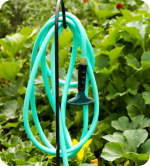
Once the hose is drained, coil it in broad, relaxed loops. Avoid sharp bends, tight knots, or placing heavy objects on top of it.
Keep it in a dry, sheltered place when it is not in use. If you use a hose holder, choose one with a broad curve rather than a narrow hook that can create a sharp bend.
A Common Mistake: Using a Cold Hose Too Quickly
When a hose has been exposed to very low temperatures, it may feel stiff or difficult to move. Trying to straighten it forcefully can put unnecessary stress on the material.
Give the hose time to return to a suitable temperature before handling it. Check for visible damage and make sure the fittings are secure before reconnecting it to the water supply.
Never use a hose that appears damaged or leaking simply because it still delivers water.
Choosing a Hose for Everyday Gardening
Maintenance is important, but the hose you choose also affects everyday handling.
For regular watering, a garden hose should be easy to move around, flexible enough for practical use, and suitable for the water flow required by your setup.
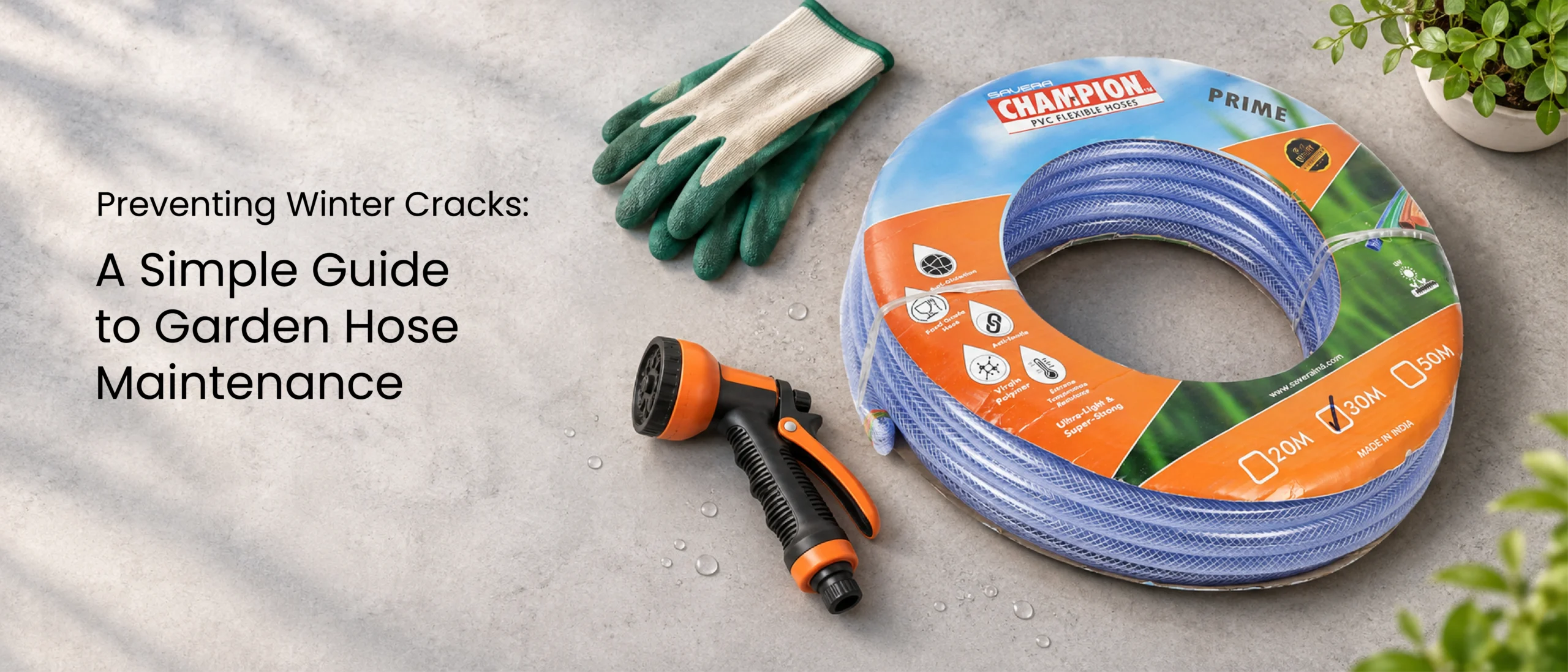
Champion Garden Hose is designed for gardening, water transportation, water spraying, and household applications. Its listed features include lightweight handling, flexibility, durability, and resistance to kinks and twists.
Choosing the right size and using the hose within its intended application can help make routine watering more convenient.
Keep Your Hose Ready for the Next Use
A garden hose does not need complicated maintenance. Drain it after use, inspect it occasionally, avoid rough handling, and store it properly when it is not needed.
These simple habits can help you identify problems early and keep your watering setup in better condition.
Jahan Champion, Wahan Bharosa.